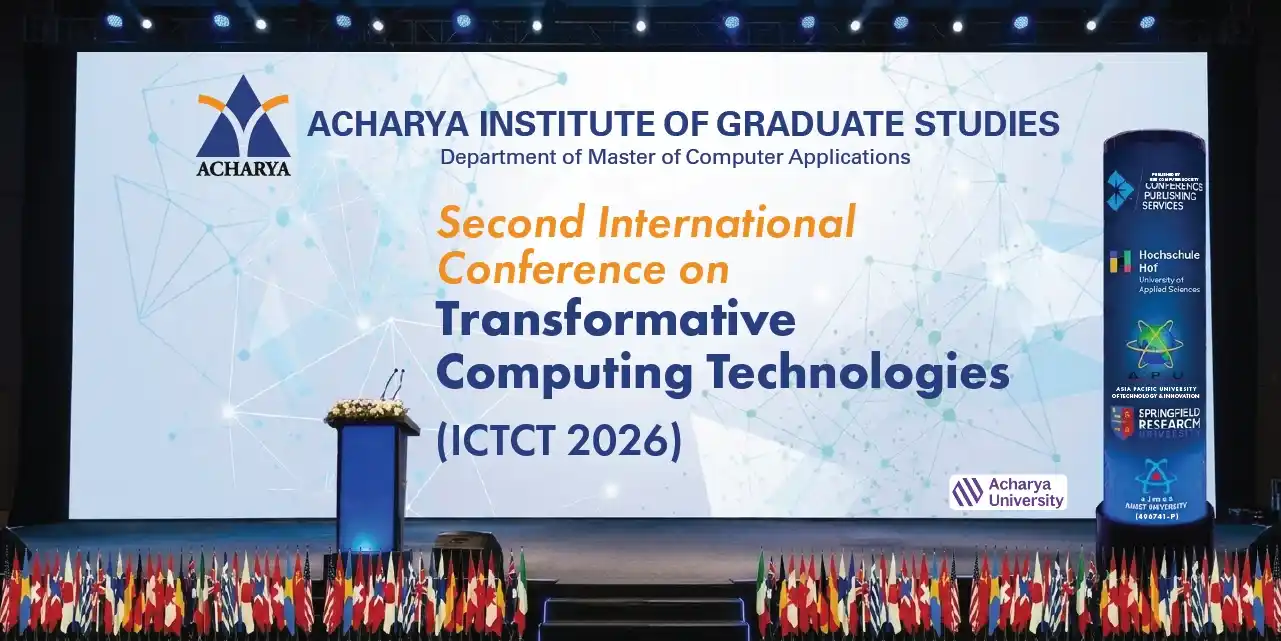
Second International Conference on Transformative Computing Technologies
Conference
500+ are Interested
- 17th - 18th Dec 2026
- 9:00 AM – 4:00 PM
- 2 Days
- Academicians / Researchers / Industry Persons/ UG/PG Students
- Acharya Campus
About Program
Following the grand success of the The International Conference on Transformative Computing Technologies (ICTCT-2025), The Second International Conference on Transformative Computing Technologies (ICTCT-2026) provides a global platform for researchers, academicians, industry professionals, innovators, and practitioners to disseminate knowledge, exchange ideas, and deliberate on emerging advancements in intelligent technologies. The conference emphasises the transformative impact of Artificial Intelligence, Machine Learning, Data Science, Internet of Things, Cyber-Physical Systems, Robotics, Cloud Computing, Edge Computing, and other nascent technologies in shaping a connected and intelligent future.
Under this year’s theme, "The Future of Innovation: Intelligent Solutions for a Smart World", endeavours to synthesize multidisciplinary perspectives on how innovative technologies can address contemporary challenges across healthcare, education, agriculture, smart cities, industry, cybersecurity, sustainability, and digital transformation. It encourages the presentation of innovative research, practical applications, intelligent frameworks, and nascent solutions that bridge the divide between technological advancement and real-world societal imperatives.
Through keynote addresses, technical sessions, paper presentations, and substantive academic interactions, the conference seeks to cultivate research collaboration, knowledge exchange, and technology-driven innovation. It provides participants with an opportunity to explore future trajectories in intelligent computing and contribute to the development of a smarter, sustainable, secure, and human-centric world.
Objectives of the Program
- Provide a prominent global platform for researchers, academicians, industry professionals, and innovators to share insights, debate ideas, and explore emerging advancements in intelligent technologies.
- Focus on the practical implementation and shaping impact of transformative domains such as Artificial Intelligence, Machine Learning, Data Science, IoT, Cyber-Physical Systems, Robotics, Cloud/Edge Computing, and other nascent technologies.
- Encourage the presentation of innovative frameworks, models, and practical applications that close the gap between theoretical technological advancements and pressing real-world societal imperatives.
- Cultivate strategic research partnerships, knowledge transfer, and cross-sector cooperation through keynote addresses, interactive technical sessions, and academic networking.
General Chair
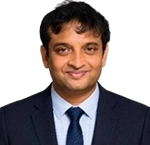
Dr. Swapnoneel Roy
FIS Distinguished Professor of Computing, University of North Florida ,USA
Technical Program Committee Chair

Dr. Bibhu Dash
Professor, University of the Cumberlands, Williamsburg, KY, USA
Keynote Speaker

Dr. Hari Mohan Rai,
Professor, Dept.of Computer Science, School of Computing & AI, Nazarbayev University, Astana, Kazakhstan
Important Dates
| Date | Events |
|---|---|
| Sept 25, 2026 | Paper Submission Opens |
| Oct 26, 2026 | Review Comments Communication |
| Nov 08, 2026 | Acceptance Notification |
| Nov 15, 2026 | Camera-Ready Paper Submission |
| Dec 12, 2026 | Final Author Registration (Last Date) |
| Dec 17 & 18, 2026 | Conference Dates |
Committee Members
- Shri B M Reddy, President, JMJ Education Society
- Shri B. Premnath Reddy, Chairman, Acharya.
- Smt. Shalini Reddy, Executive Director, Acharya.
- Shri Krishna Basani Reddy, Managing Director, Acharya.
- Mr. CBM. Bhooshan, Executive Secretary to Chairman, Acharya, Bangalore, Karnataka.
- Dr. Bhagirathi V, Director Academics, Acharya Institutes, Bangalore, Karnataka.
- Dr. Devasis Pradhan, Assistant Director of Research, Acharya Institutes, Bangalore, Karnataka.
- Dr. Gurunath Rao Vaidya, Principal, Acharya Institute of Graduate Studies
- Prof. Rajesh Rao K, HoD – MCA, AIGS
- Dr. M. Balamurugan, Associate Professor, Dept. of MCA, AIGS
- Dr. A. R. Deepti, Professor, Dept.of MCA, AIGS
- Dr. Shrikaant Kulkarni, Victorian Institute of Technology, Melbourne, Australia
- Dr. Jasmine Gnanadurai, George Fox University, Oregon, United States
- Prof. Anil Kumar, London Metropolitan University, United Kingdom (UK)
- Prof. Suryakanthi Tangirala, University of Botswana, USA
- Prof. Sunil Khatri, Amity University, Tashkent, Uzbekistan
- Prof. Aditya Ghose, University of Wollongong, Australia
- Mr. Somnath Banerjee, Data Engineer, American Family Insurance, Madison, Wisconsin, United States
- Dr. Shashikanth Gupta, Lincoln University College, Malaysia
- Dr. Subrata Chowdhury, Adjunct Faculty, Lincoln University College, Malaysia
- Dr. Karthikeyan Kaliyaperumal, IoT-HH Campus, AMBO University, Ethiopia
- Dr. Ballekallu C E, Urba Minch University, Ethiopia
- Dr. Charmaine Gangen, WEN South Africa
- Prof. Franco Curmi, University of Malta, Malta
- Prof. Surabhi Bhatia, King Faisal University, Saudi Arabia
- Dr. Musa Dima Genemo, Software Engineering at Gümüşhane University, Turkey
- Dr. Venkateswarlu Nalluri, Chaoyang University of Technology, Taiwan
- Dr. Jitendra Junjariya, Indian Institute of Information Technology (IIIT), Sonepat
- Dr. Balwinder Singh, Scientist E, C-DAC, Mohali
- Dr. Anand Kulkarni, Institute of Artificial Intelligence, Pune, Maharashtra
- Dr. Malaya Kumar Nath, National Institute of Technology, Puducherry
- Dr. E. Sivasankar, National Institute of Technology, Tiruchirappalli, Tamil Nadu
- Dr. T. Veerakumar, National Institute of Technology, Goa
- Mr. P. Madhu Babu, Solution Architect, TCS, Bengaluru
- Dr. R. Madana Mohana, Stanley College of Engineering & Technology for Women, Hyderabad, Telangana
- Dr. Rachit Garg, Lovely Professional University, Punjab
- Dr. Gokulakrishnan S, PES University, Bengaluru, Karnataka
- Dr. Khaja Mannanuddin, SR University, Telangana
- Dr. Samrat Ray, Sir Padampat Singhania University, Udaipur, Rajasthan
- Mr. Gourango Mandal, Swami Vivekananda University, Kolkata
- Dr. Venkatesh B, VIT-AP University, Sakhamaru, Andhra Pradesh
- Dr. Ashok, Christ University Central Campus, Bengaluru, Karnataka
- Dr. Balaji T K, Amrita Vishwa Vidyapeetham, Amaravati, Andhra Pradesh
- Dr. Ravi Kumar Poluru, VIT-AP University, Sakhamaru, Andhra Pradesh
- Dr Kampa Lavanya, Acharya Nagarjuna University, Guntur, Andhra Pradesh
- Dr. Ajith Kumar. R, Digital University Kerala, Kerala
- Dr. Ashwin Dobariya, Marwadi University, Rajkot, Gujarat
- Dr. U. Kumaran, Amrita Vishwa Vidyapeetham (Deemed to be University), Bengaluru
- Dr. Keshav Kaushik, Sharda University, Greater Noida, U.P
- Dr. N. Ganesh, Vellore Institute of Technology (Deemed to be University), Chennai
- Dr. H. J. Shanthi, Vels University, Chennai, Tamil Nadu
- Dr. P. Karthikeyan, RV University, Bengaluru, Karnataka
- Dr. Saravanan S, Vellore Institute of Technology (Deemed to be University), Vellore
- Dr. A. R. Deepti, Professor
- Mr. Narasimha Murthy G K, Asst. Professor
- Ms. Farzeen Basith, Asst. Professor
- Mr. Balaji C, Asst. Professor
- Ms. Farzeen Basith
- Mr. Narasimha Murthy G K
- Mr. C. Balaji
- Dr A R. Deepti
- Prof. Farzeen Basith
- Dr. M. Balamurugan
- Prof. Balaji
- Prof. Farzeen Basith
Aligned SDG Goals
Based on the conference theme “The Future of Innovation: Intelligent Solutions for a Smart World,” the conference can be aligned particularly well with the following United Nations Sustainable Development Goals (SDGs):

Call for Papers
Track 1: Intelligent Computing and Emerging Technologies
Topics include:- Artificial Intelligence and Machine Learning
- Deep Learning and Reinforcement Learning
- Generative AI and Large Language Models
- Natural Language Processing
- Computer Vision and Pattern Recognition
- Data Science, Big Data Analytics, and Data Mining
- Knowledge Graphs and Intelligent Information Systems
- Cloud, Edge, and Fog Computing
- Internet of Things and Industrial IoT
- Cyber-Physical Systems and Digital Twins
- Robotics and Autonomous Systems
- Blockchain and Distributed Computing
- Emerging Computing Paradigms
Track 2: Smart, Sustainable, and Connected Solutions
Topics include:- Smart Cities and Smart Communities
- Smart Healthcare and Medical Informatics
- Smart Agriculture and Precision Farming
- Intelligent Transportation and Mobility
- Smart Energy and Sustainable Energy Systems
- Environmental and Climate Intelligence
- Disaster Management and Resilient Systems
- Industry 4.0 and Smart Manufacturing
- Intelligent Education and Learning Systems
- Digital Transformation and Smart Infrastructure
- AI for Sustainable Development
- AI for Cybersecurity and Intelligent Threat Detection
- Technology for Social and Digital Inclusion
- Social Impact of Emerging Technologies
Track 3: Communications and Future Directions
Topics include:- Traffic management in Networks & QoS
- Wireless and mobility
- Recent Network security trends
- Information-centric networking, Sensor networks, Blockchain 5G systems
- Vehicular networks
- Mobile ad hoc networking
- Quantum cryptography
- Blockchain security
- Cyber threat intelligence
- Privacy-preserving technologies
- IT Governance and Compliance
- Risk Management in IT
- Project Knowledge Management in Technology Environments
- Technology Management and Innovation
- Change Management in IT Organisations
Registration Details
| Category | Registration Fee |
|---|---|
| Indian Authors (IEEE Members) | Rs. 11,000 |
| Indian Authors (Non-IEEE Members) | Rs. 12,000 |
| Foreign Delegates | 200 USD |
Submission Guidelines
- Authors are invited to submit original research papers relevant to the conference theme and its technical tracks.
- Manuscripts must follow the given template: Paper Template Link
- Authors must ensure that all authors and affiliations are correctly provided and that appropriate citations and references are included.
- Accepted papers must be revised according to reviewer comments, comply with the applicable IEEE publication and copyright requirements, and complete the required final-paper and PDF-compliance procedures.
- The page limit for camera-ready papers is 6-8 pages.
- Submit the papers to the following email ID: ictct-2026@aigs.ac.in
Plagiarism Policy
- All submissions must be original and unpublished work and must not be under consideration elsewhere.
- Submitted manuscripts will undergo plagiarism/originality screening through Turnitin as part of the review process.
- The accepted similarity index will be less than 10%, with 0% AI-generated content.
- Authors must properly acknowledge all sources, including text, ideas, figures, data, algorithms, and previously published work.
- Plagiarism, duplicate submission, significant self-plagiarism, fabrication, or falsification of research is not permitted.
- Papers found to violate publication ethics may be rejected or withdrawn in accordance with applicable IEEE policies.
Review Process
- All submitted papers will undergo a rigorous peer-review process coordinated by the Technical Program Committee.
- Each manuscript will be evaluated by qualified reviewers for originality, technical quality, relevance, methodology, clarity, and contribution to the field.
- Papers passing the initial screening and plagiarism check will be assigned to reviewers for technical evaluation.
- Based on the review recommendations, the TPC will make the final acceptance decision.
- Accepted papers must incorporate reviewer suggestions and meet all applicable IEEE publication requirements for final submission.
Previous Year Conference
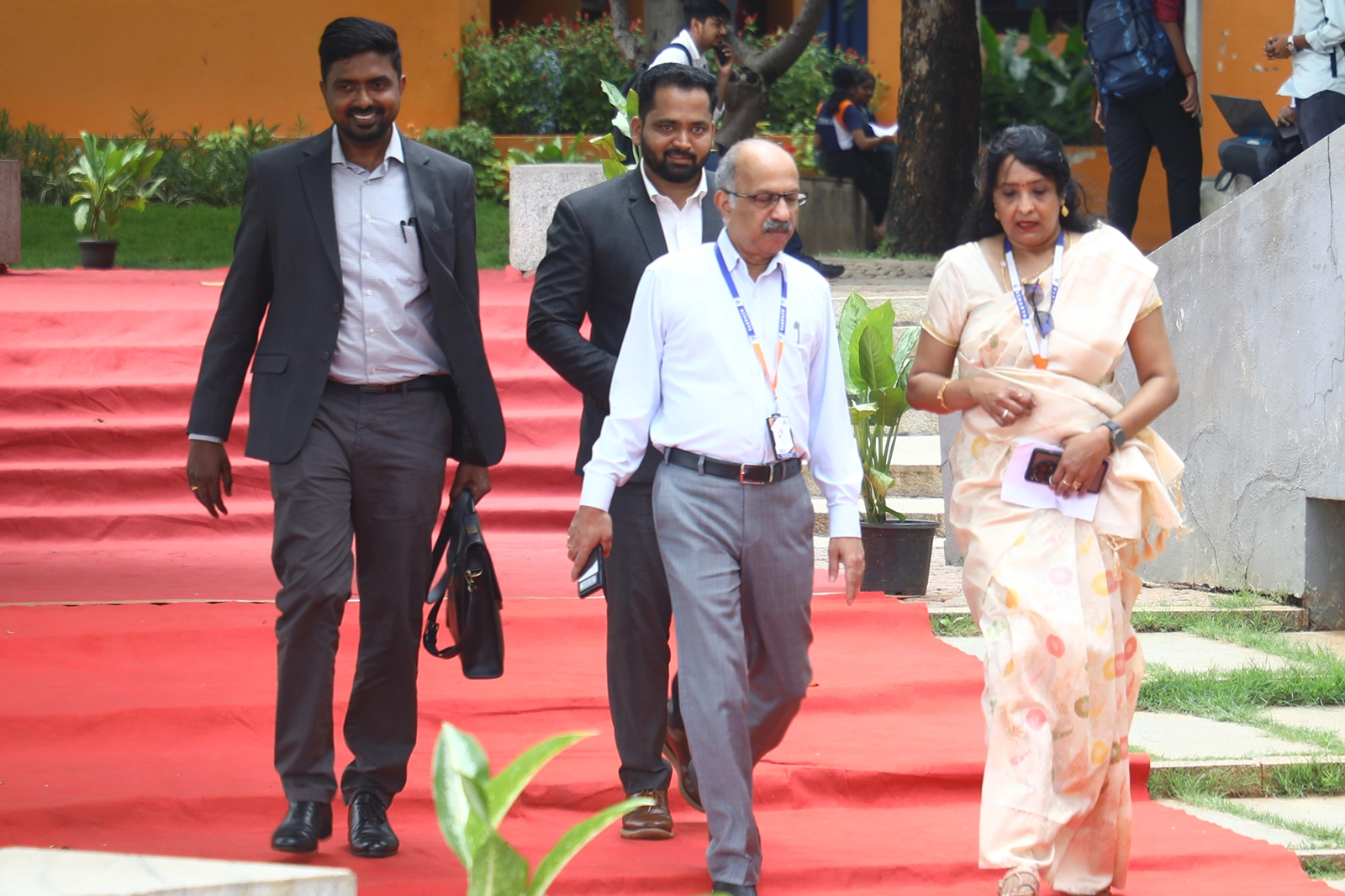
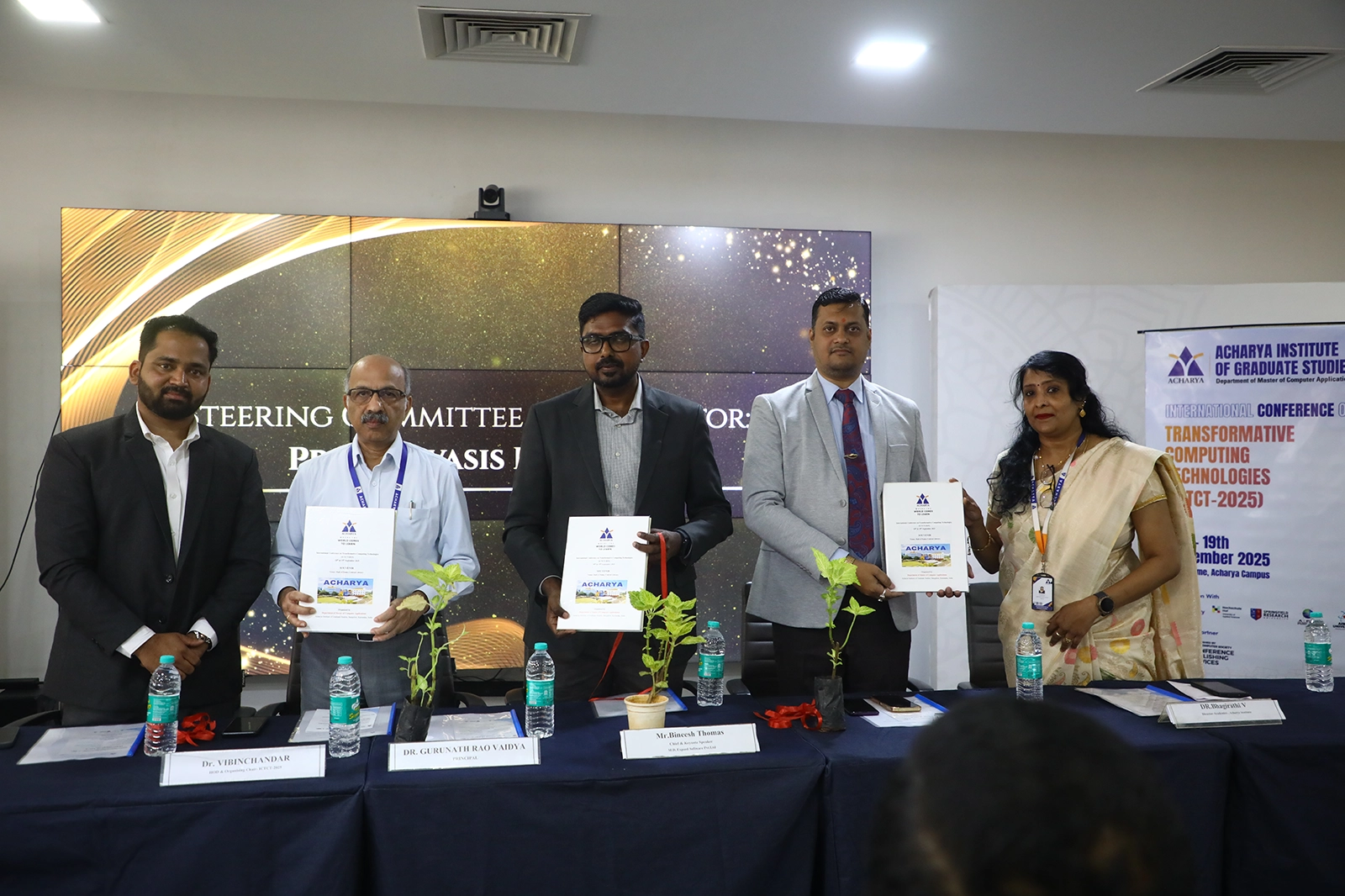
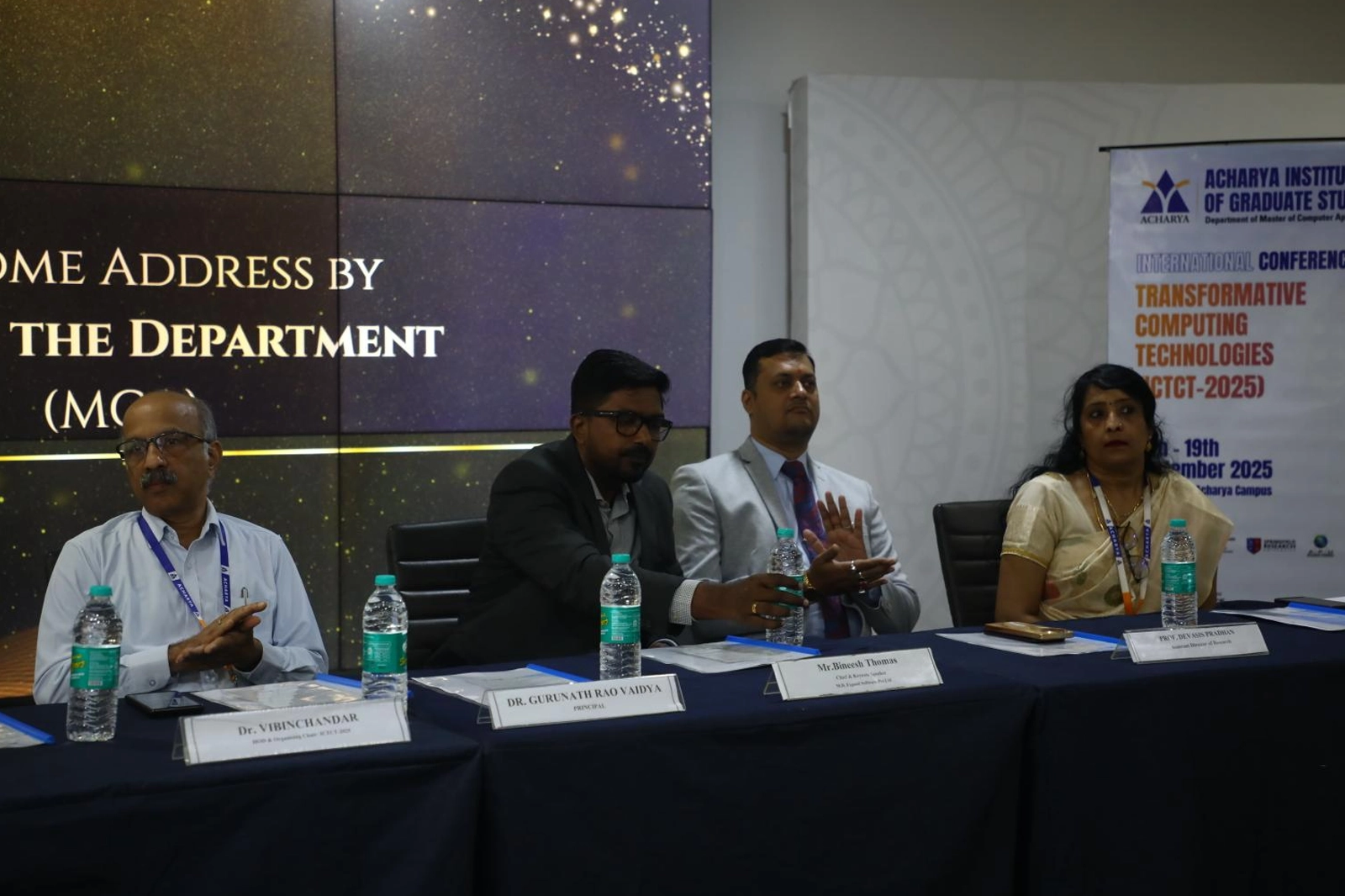
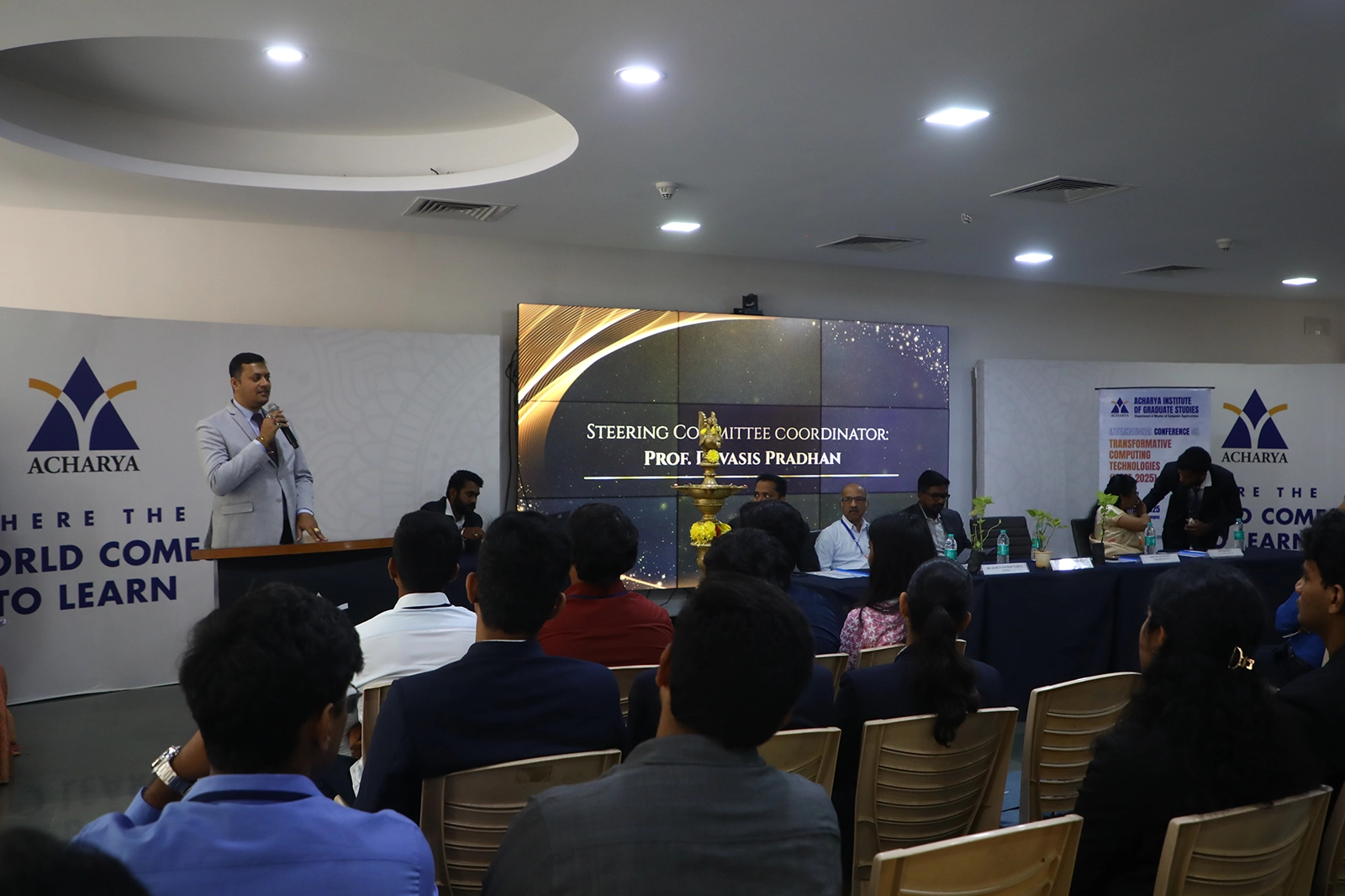
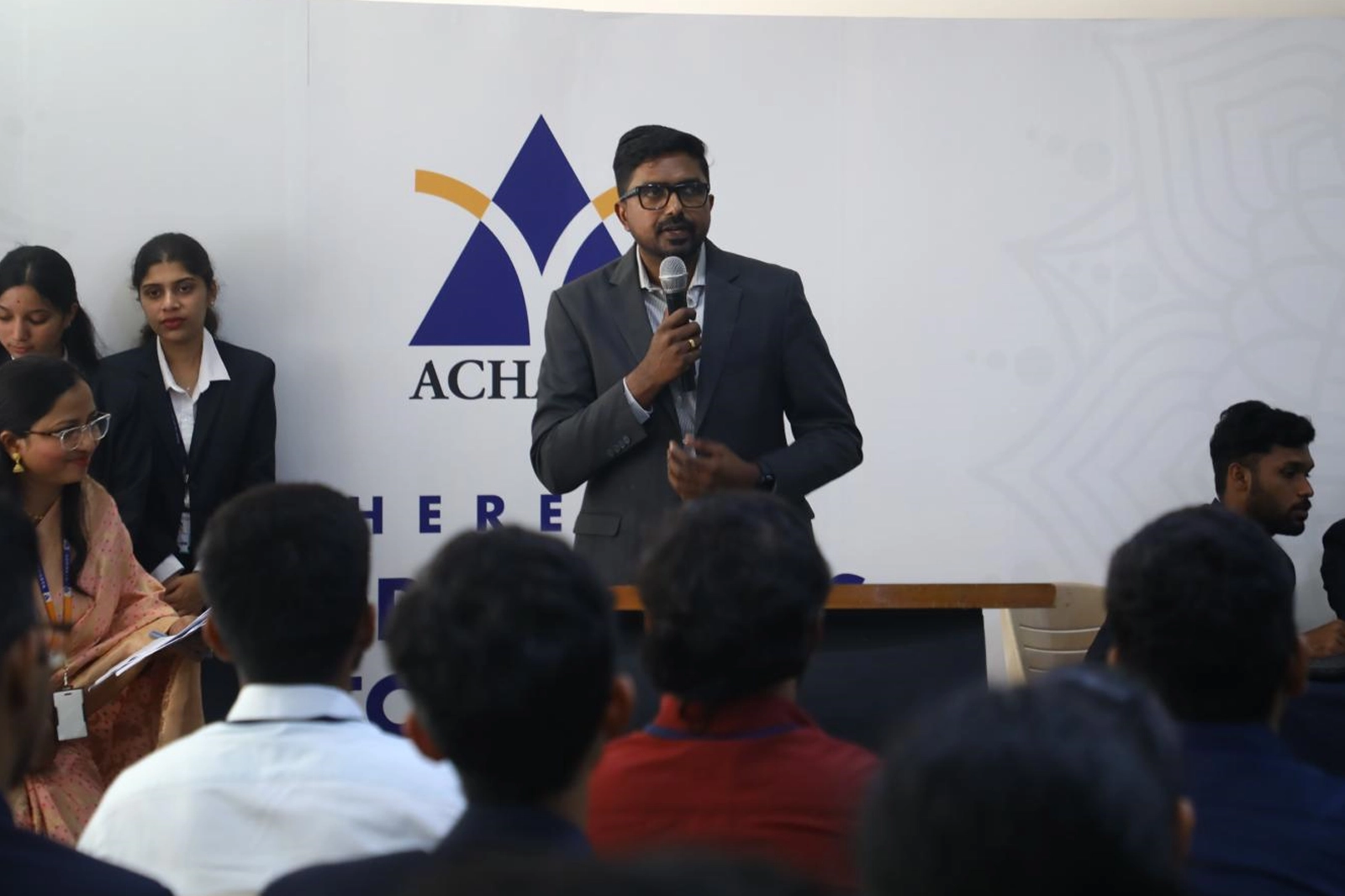
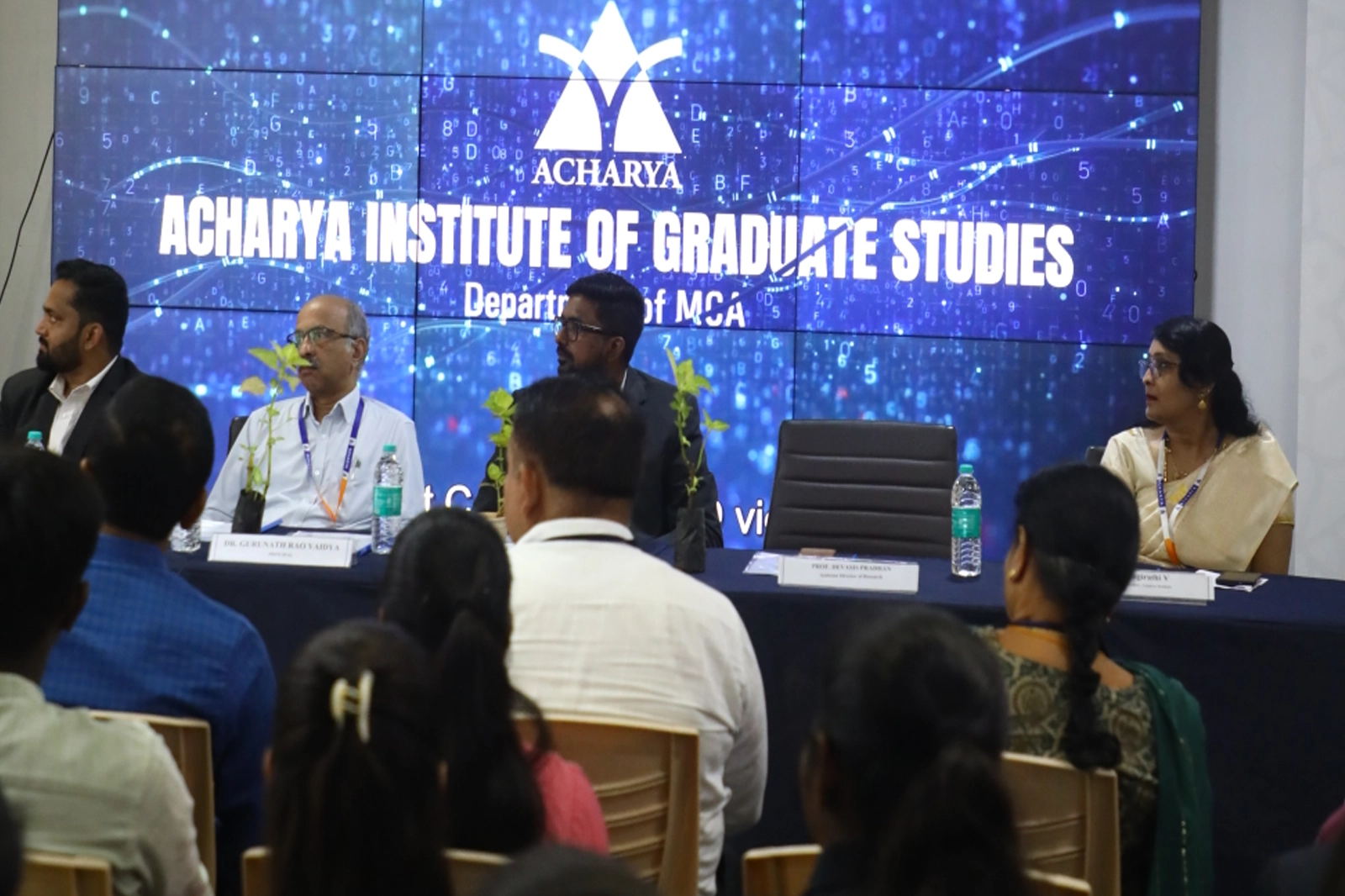
ICTCT - 2025ICTCT-2025 provided a vibrant platform for international collaboration, with participants from diverse backgrounds converging to discuss the latest advancements in computing, communication, and information technology. The conference facilitated networking opportunities, fostering connections that are expected to lead to future collaborative research and projects. The conference featured a dynamic lineup of distinguished speakers and innovative presentations on futuristic technologies to foster innovation, collaboration, and knowledge exchange. The conference helped establish scientific contacts between research groups and scientists from different countries for future joint research collaborations in the multidisciplinary domains.
ICTCT-2025 attracted 160 national and international paper submissions across more than 50 academic and industrial institutions. Following a rigorous peer-review process, 59 high-quality papers were selected and published in IEEE Xplore.
The proceedings of the ICTCT-2025 are available:
https://ieeexplore.ieee.org/xpl/conhome/11446332/proceeding
- 17th - 18th Dec 2026
- 9:00 AM – 4:00 PM
- 2 Days
- Academicians / Researchers / Industry Persons/ UG/PG Students
- Acharya Campus
You May Also Like
Explore More Acharya Events