Best Occupational Therapy Colleges in India - Acharya
Occupational Therapy is a specialized field that focuses on enabling individuals of all ages to overcome physical, cognitive, emotional, and developmental challenges, helping them participate independently in meaningful daily activities. The Occupational Therapy course in Bangalore integrates medical science, rehabilitation techniques, and therapeutic practices to enhance functional abilities and improve overall quality of life. It is widely recognized as one of the most valuable programs offered at the best paramedical college in Bangalore.
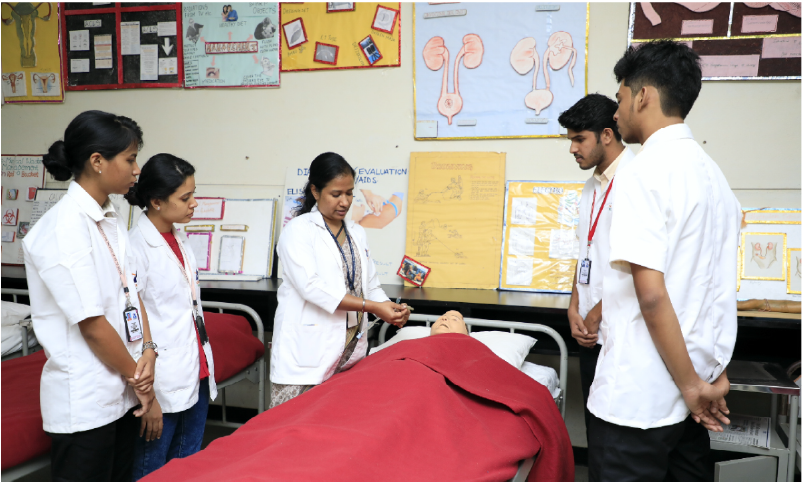
Why Choose Occupational Therapy at Acharya
- Comprehensive curriculum integrating anatomy, physiology, psychology, and rehabilitation sciences.
- Exposure to modern therapeutic practices, assistive technologies, and patient-centered care approaches.
- Practical clinical training that prepares students for real healthcare and rehabilitation environments.
- Opportunities to explore specialized areas including paediatrics, mental health, geriatrics, neurosciences, and musculoskeletal sciences.
- Focus on developing compassionate healthcare professionals with strong clinical and analytical skills.
Experiential Learning
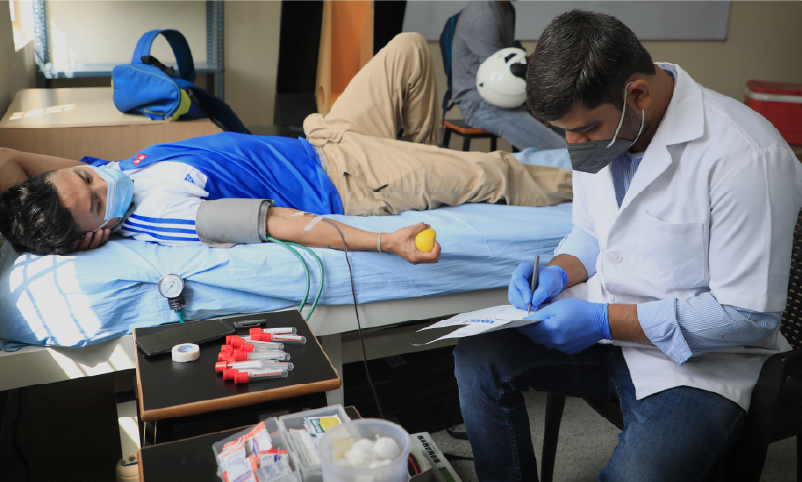
- Clinical postings and internships in hospitals, rehabilitation centres, and therapy clinics.
- Hands-on training in assessment techniques, therapeutic activities, and patient care planning.
- Case studies and patient interaction sessions to strengthen clinical understanding.
- Exposure to assistive devices, adaptive equipment, and rehabilitation technologies.
Academic Approach
- Interdisciplinary learning combining medical sciences, psychology, and therapeutic practices.
- Application-based teaching with case discussions, demonstrations, and clinical simulations.
- Emphasis on evidence-based practice, research, and patient-centered therapy planning.
- Integration of theoretical knowledge with real-world rehabilitation scenarios.
Student Development & Activities
- Workshops, seminars, and guest lectures by healthcare professionals and therapists.
- Participation in community outreach programs and rehabilitation awareness initiatives.
- Opportunities to present research, case studies, and therapy innovations.
- Activities that build empathy, communication skills, and professional ethics.
Faculty Expertise
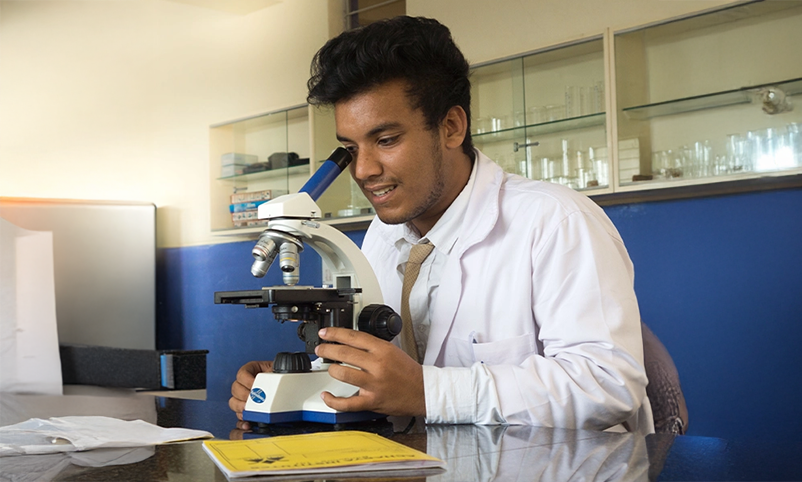
The program is supported by experienced faculty members with strong academic backgrounds and clinical expertise in occupational therapy and rehabilitation sciences. Their guidance ensures students receive both theoretical knowledge and practical exposure aligned with current healthcare practices.
Career Pathways
Graduates in Occupational Therapy have diverse career opportunities across healthcare and rehabilitation sectors.
- Occupational Therapist in hospitals, rehabilitation centres, private clinics, and community healthcare settings.
- Specialized Therapy Roles such as Pediatric Occupational Therapist, Neuro Occupational Therapist, Hand Therapist, Mental Health Occupational Therapist, and Orthopedic Occupational Therapist.
- Community & Rehabilitation Careers including Rehabilitation Coordinator, Community Health Worker, and Home Health Occupational Therapist with NGOs and healthcare organizations.
Accreditations
- All India Occupational Therapists' Association (AIOTA)
- World Federation of Occupational Therapists (WFOT)



 74066-44449
 97317-97677


