Best Bsc Imaging Technology Colleges in Bangalore -Acharya
The B.Sc. Imaging Technology program at Acharya Institute of Allied Health Sciences is designed to provide students with comprehensive training in advanced medical imaging techniques used for diagnosis and patient monitoring, making it a leading choice for those seeking an Imaging Technology college in Bangalore. The program equips students with the knowledge and technical expertise required to produce high-quality diagnostic images that support physicians in identifying and treating medical conditions.
Medical imaging covers a wide range of technologies such as X-ray, Computed Tomography (CT), Magnetic Resonance Imaging (MRI), Ultrasound, Mammography, Fluoroscopy, and Molecular Imaging. Through a combination of theoretical learning and practical training, students develop strong competencies in operating imaging equipment, patient positioning, radiation safety, and interpreting diagnostic images.
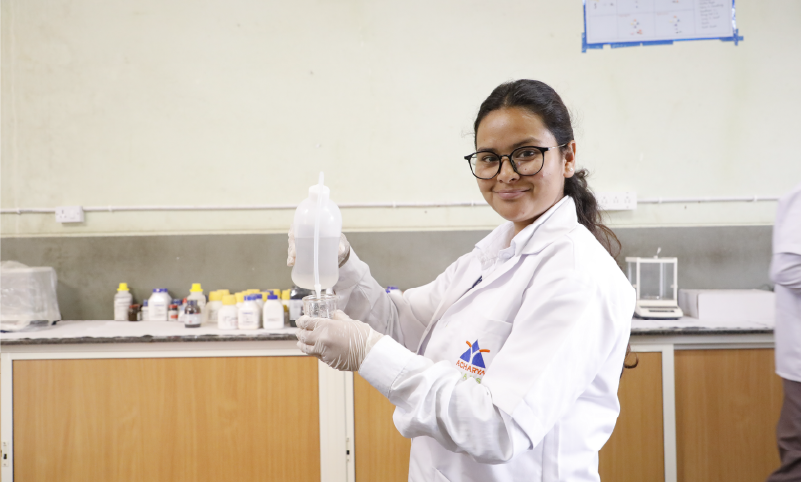
Why Choose Imaging Technology at Acharya
- Comprehensive curriculum covering radiation physics, human anatomy, pathology, and imaging techniques.
- Training in advanced imaging technologies including X-ray, CT, MRI, ultrasound, and fluoroscopy.
- Exposure to modern diagnostic imaging equipment and imaging laboratories.
- Focus on patient safety, radiation protection, and accurate diagnostic imaging practices.
- Strong foundation in both medical sciences and imaging technology.
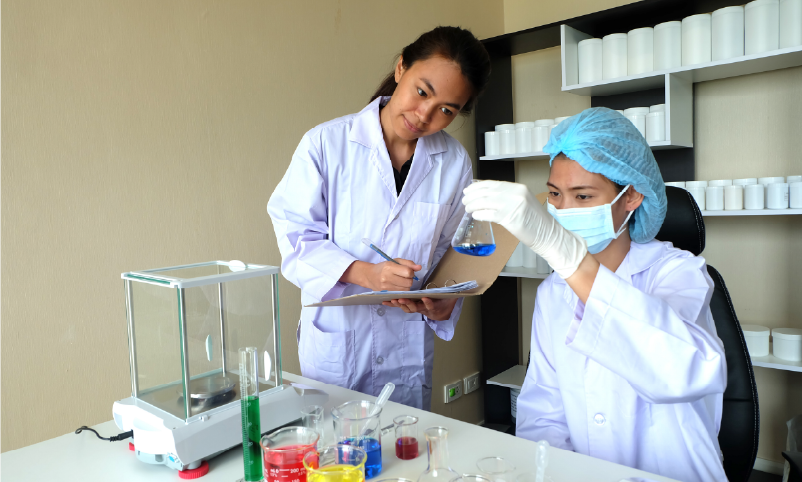
Experiential Learning
- Hands-on training in diagnostic imaging procedures and equipment operation.
- Practical exposure to radiographic positioning and imaging techniques for accurate diagnosis.
- Clinical postings in hospitals and diagnostic centres.
- Training in radiation safety protocols and patient care during imaging procedures.
Academic Approach
- Integrated curriculum combining medical sciences, imaging technology, and diagnostic principles.
- Application-based learning through demonstrations, simulations, and clinical case discussions.
- Emphasis on accurate image acquisition, equipment handling, and diagnostic interpretation.
- Continuous evaluation through practical training, clinical exposure, and academic assessments.
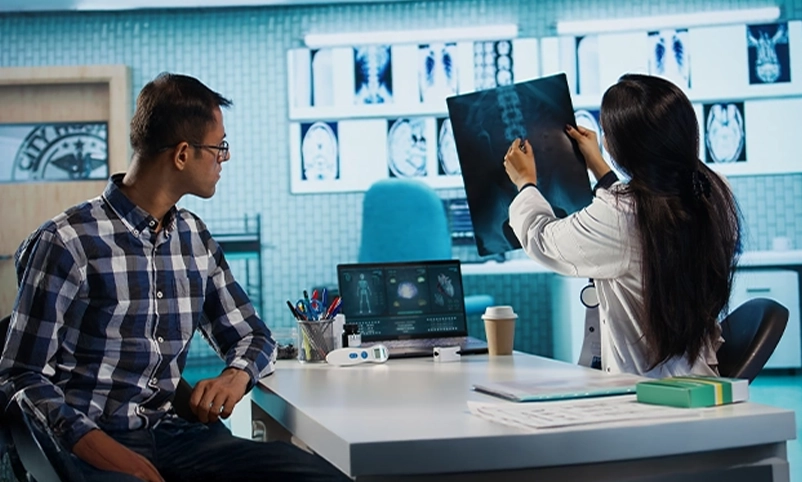
Student Development & Activities
- Workshops and seminars on advancements in radiology and medical imaging technologies.
- Participation in healthcare awareness programs and diagnostic imaging discussions.
- Opportunities for research presentations, case studies, and academic events.
- Activities that build teamwork, communication skills, and professional ethics in healthcare settings.
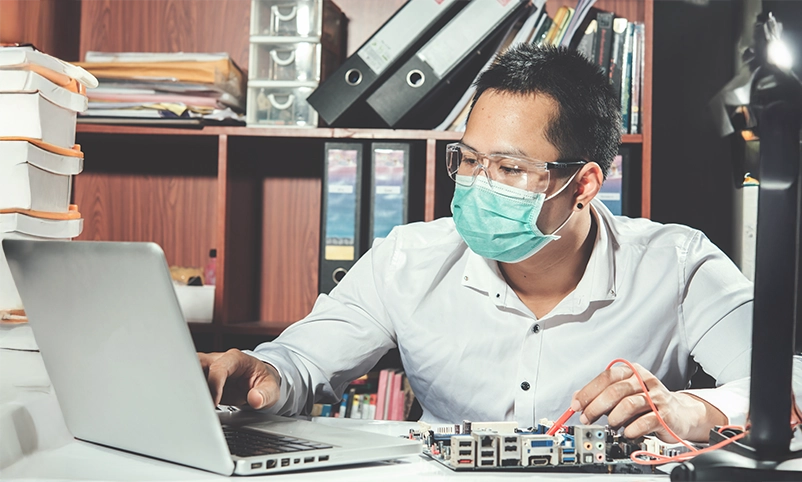
Faculty Expertise
The program is guided by experienced faculty members with expertise in radiology, imaging technology, and allied health sciences. Their academic knowledge and clinical experience ensure students gain both theoretical understanding and practical skills required for diagnostic imaging professions.
Career Pathways
Graduates of B.Sc. Imaging Technology have diverse career opportunities in hospitals, diagnostic centres, and healthcare technology companies.
- Radiologic Technologist: Perform diagnostic imaging procedures using X-ray and other imaging technologies.
- MRI Technologist: Operate MRI scanners to produce detailed images for medical diagnosis.
- CT Technologist: Conduct computed tomography scans to assist doctors in detecting diseases and injuries.
- Ultrasound Technologist / Sonographer: Perform ultrasound imaging procedures for diagnostic purposes.
- Nuclear Medicine Technologist: Use radioactive imaging techniques to diagnose and treat diseases.
- Mammography Technologist: Specialize in breast imaging for early detection of breast conditions.
- Cardiovascular Technologist: Assist in imaging procedures related to heart and vascular conditions.
- Radiation Therapist: Work with radiation equipment in cancer treatment under medical supervision.



 74066-44449
 97317-97677


