Best Respiratory Care Colleges in India - Acharya Bangalore
The B.Sc. Respiratory Care Technology program at Acharya Institute of Allied Health Sciences is an undergraduate course designed to equip students with the knowledge and clinical skills required to assist in the evaluation, diagnosis, and management of patients with cardiopulmonary disorders. The Respiratory Care Technology course in Bangalore includes training in essential diagnostic procedures such as pulmonary function tests, spirometry, arterial blood gas analysis, and sleep studies.
Respiratory care professionals play a vital role in multidisciplinary healthcare teams by providing advanced respiratory support during emergencies, critical care situations, and ventilator management. They also contribute to pulmonary rehabilitation by educating and supporting patients with chronic respiratory conditions. The COVID-19 pandemic further highlighted the importance of respiratory care professionals, significantly increasing the demand and scope for qualified graduates in this field.

Why Choose Respiratory Care Technology at Acharya
- Comprehensive curriculum covering respiratory physiology, cardiopulmonary disorders, and respiratory care techniques.
- Training aligned with modern clinical practices in respiratory diagnostics and therapeutic interventions.
- Exposure to advanced respiratory equipment, ventilators, and critical care technologies.
- Strong focus on patient safety, emergency respiratory care, and evidence-based clinical practice.
- Preparation for diverse healthcare roles in hospitals, diagnostic centres, and pulmonary care facilities.

Experiential Learning
- Hands-on clinical training in pulmonary function testing, spirometry, arterial blood gas analysis, and sleep studies.
- Practical exposure to bronchial hygiene therapy, airway clearance therapy, aerosol therapy, and oxygen therapy.
- Training in the operation and management of mechanical ventilators used in critical care settings.
- Clinical postings in Intensive Care Units (ICUs), emergency departments, pulmonary rehabilitation centres, and sleep laboratories.
Academic Approach
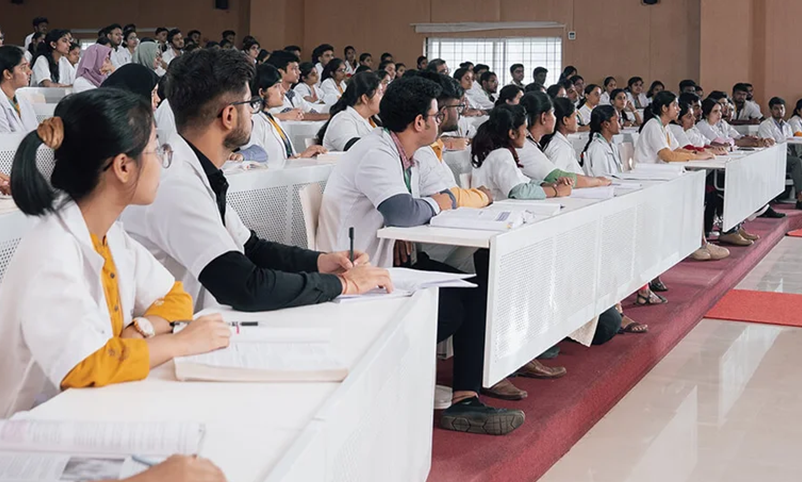
- Integrated learning combining respiratory physiology, pathology, diagnostic techniques, and therapeutic procedures.
- Application-oriented teaching through case discussions, demonstrations, and clinical simulations.
- Focus on patient assessment, disease management, and respiratory care planning.
- Emphasis on evidence-based clinical practices and multidisciplinary healthcare collaboration.
Student Development & Activities
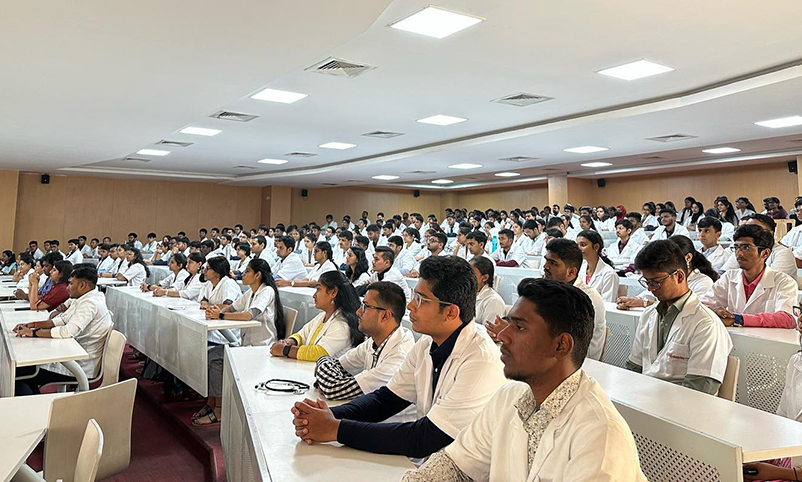
- Workshops and seminars on advancements in respiratory care and pulmonary medicine.
- Participation in healthcare awareness initiatives related to respiratory diseases.
- Opportunities to present clinical case studies and participate in academic discussions.
- Activities that strengthen communication, teamwork, and professional ethics in healthcare environments
Faculty Expertise
The program is supported by experienced faculty members with strong academic backgrounds and clinical expertise in respiratory care, critical care medicine, and allied health sciences. Their guidance ensures that students receive both theoretical knowledge and practical training aligned with current healthcare standards.
Career Pathways
Graduates of B.Sc. Respiratory Care Technology have diverse career opportunities in hospitals, pulmonary laboratories, rehabilitation centres, and healthcare technology companies.
- Respiratory Therapist (Acute & Critical Care): Work in ICUs, emergency departments, neonatal and pediatric ICUs, and operation theatres managing ventilators and respiratory life-support systems.
- Respiratory Physiologist: Assist in diagnosing and managing respiratory disorders through specialized testing and patient evaluation.
- Pulmonary Function Test (PFT) Technician: Perform and interpret pulmonary diagnostic tests in hospitals and pulmonary laboratories.
- Sleep Technologist / Polysomnographer: Work in sleep laboratories conducting sleep studies and diagnosing sleep-related breathing disorders.
- Clinical Application Specialist: Provide technical and clinical support for respiratory equipment in healthcare institutions.
- Product Trainer: Train healthcare professionals in the use and application of respiratory medical devices and technologies.



 74066-44449
 97317-97677


