
Best Diploma EE & EV Technology Colleges in Bangalore - Acharya Polytechnic
A Diploma in Electrical Engineering & Electrical Vehicle Technology is a three-year diploma course that offers students the knowledge and skills required to design and optimize electrical and digital systems of motor vehicles, with a special focus on electrical and hybrid vehicles.
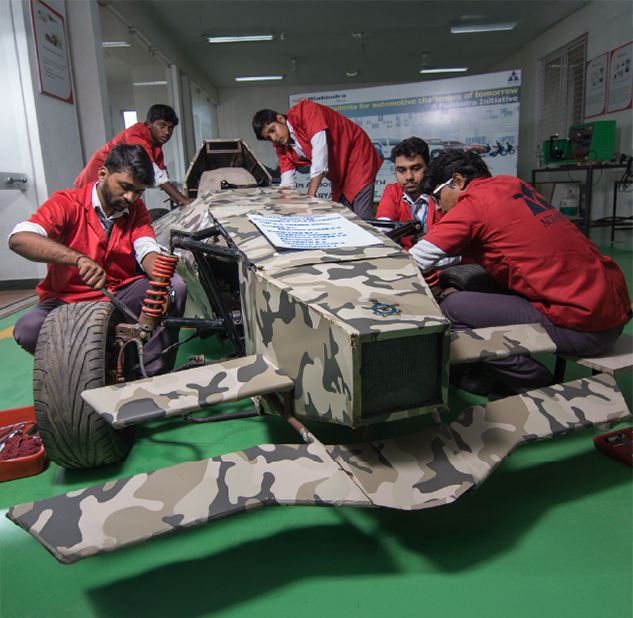
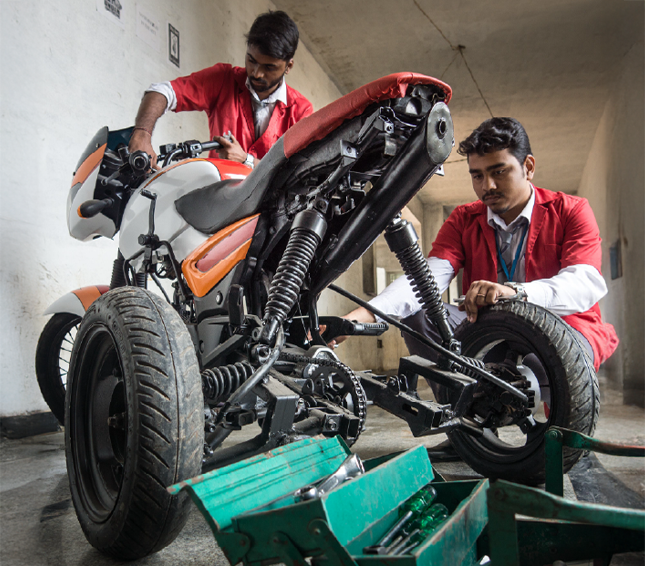
The course provides a basis for engineering studies in the specialization of electrical engineering and electrical vehicle technology. It covers subjects consisting of hands-on experience with diagnostic tools, simulation software, testing equipment, battery technology, power electronics, electrical power systems, electric vehicle charging infrastructure, and control systems used in the industry.
Students of the Diploma in Electrical Engineering & Electrical Vehicle Technology program at Acharya, considered the top electrical vehicle technology college in Bangalore, learn about the fundamentals of electronics and electric circuits, computer-aided design, and residential electrical wiring practice, in addition to the modern-day advances in electrical vehicle technology. Along with these, the course also covers communication skills, project management skills, IT skills, and electrical safety.
The demand for electrical vehicles and electric charging infrastructure is on the rise. With more and more people moving to electric vehicles for both environmental reasons and energy costs, the future for electrical vehicle technology graduates looks very bright. Employment opportunities in the automotive industry as a mechanic, technician, or engineer specializing in electric vehicles are available for graduates of the Diploma in Electrical Engineering & Electrical Vehicle Technology.
Program Highlights
- Students learn the fundamentals of electrical circuits, components, and electronic devices
- Students are taught about electromagnetic fields, principles of electric and magnetic forces, and electromagnetic induction
- Basics of digital logic circuits, microcontrollers, and digital systems used in electric vehicles are taught
- Students gain insight into the principles of control theory and its application in electric vehicle control systems
- In-depth understanding of electric vehicle propulsion components, including motors, inverters, and controllers
Career Scope
From electric vehicles to solar power- the future of energy is renewable. This makes it one of the most rewarding fields for students to enter. A diploma in Electrical Engineering & Electrical Vehicle Technology offers a range of career opportunities, including:
- Electrical Engineer
- Renewable Energy Specialist
- Automation Engineer
- Energy Efficiency Consultant
- Electrical Project Manager
- Electronics Technician
- Control Systems Engineer
Program outcome
- Identify problems and provide creative, technical solutions
- Understand and apply various technical aspects of electrical engineering and electrical vehicles (EV)
- Learn to design, develop, maintain electrical vehicles
- Gain knowledge of different battery systems required for electrical vehicles
- Be an active contributor to the electric vehicle charging industry
- Contribute ethically to society
- Apply communication skills to understand ideas and concepts and produce creative outputs
Overview
Duration : 3 Years
Eligibility : Passed SSLC / 10th, with English, Science and Mathematics with an aggregate 35%.
Inclusions: Tuition Fee, University Registration, Eligibility Fee, Miscellaneous Fee, Laboratory Fee, Library Fee and Sports Fee.
Exclusions : Uniform & Stationery.
Examination fee as prescribed by the University / Board.
Note : Students are offered complimentary OBT and softskills.
Frequently Asked Questions
It is a three-year diploma programme that trains students in electrical systems, electronics, and modern electric vehicle technologies including EV powertrains, batteries, and charging systems.
Students must pass SSLC/10th (or equivalent) with Science and Mathematics from a recognised board with at least 35% aggregate marks.
The programme duration is three years of full-time study.
The curriculum includes Circuit Theory, Electrical Machines, Power Systems, Control Systems, Electronics, battery technology, EV charging infrastructure, and simulation tools.
Yes. Students gain hands-on experience with diagnostic tools, testing equipment, simulation software, wiring practice, and EV system components.
Students learn electrical circuit design, CAD fundamentals, electrical safety, project management, IT skills, and electric vehicle maintenance and development.
Graduates can work as Electrical Engineers, EV Technicians, Automation Engineers, Electronics Technicians, Control System Engineers, or Renewable Energy Specialists.
With growing adoption of electric vehicles and charging infrastructure, the demand for skilled EV professionals is rapidly increasing across automotive and energy sectors.
Yes. Students can continue to engineering degrees such as Electrical, Electronics, or EV-related specializations through lateral entry pathways.
Yes. Acharya collaborates with industries to provide internships, practical exposure, and placement opportunities.